
The free plan is real, and smaller than the number suggests
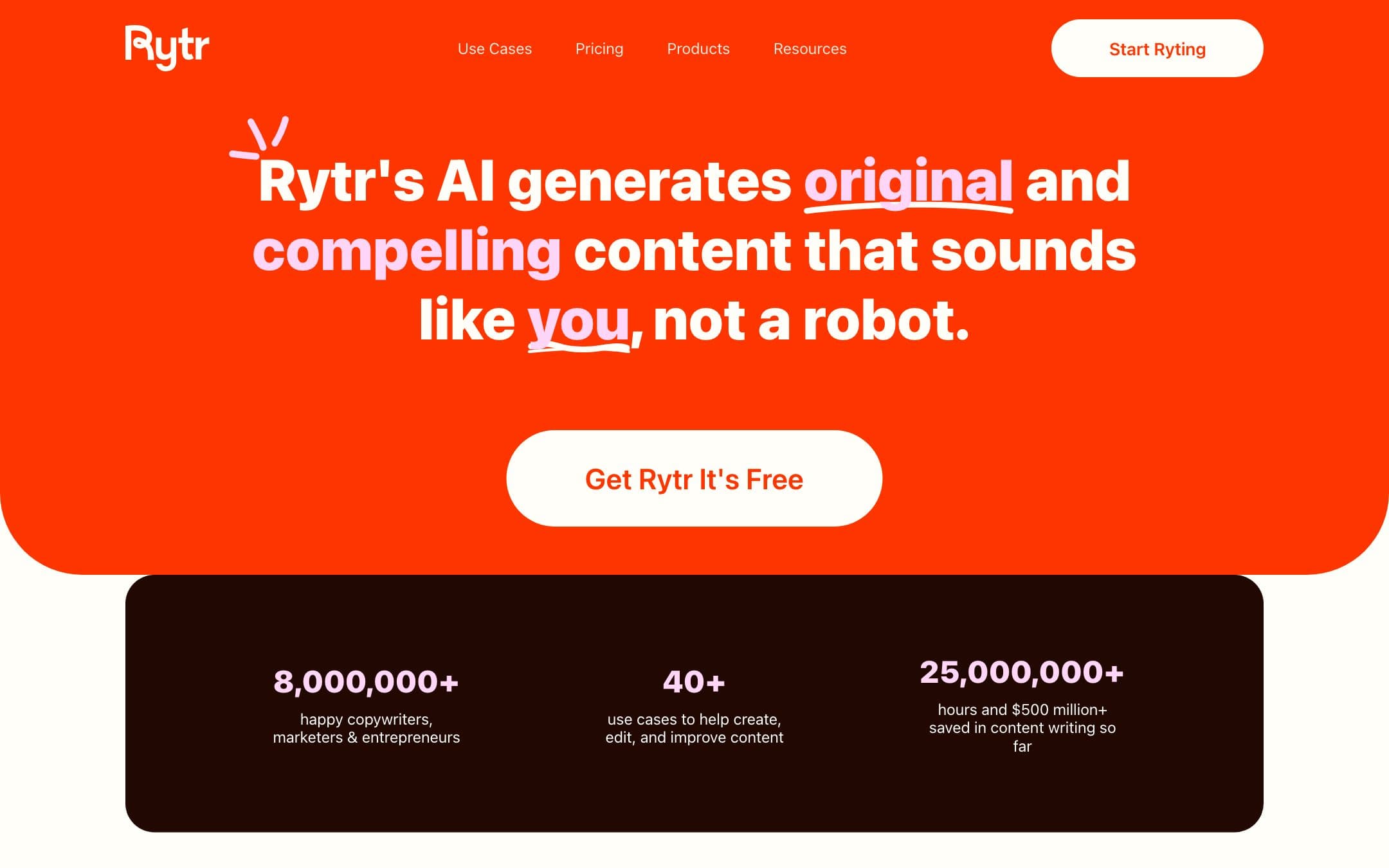
Ten thousand characters a month, no card, the same forty use cases and twenty tones as the paid tiers, and the browser extension included. That is a rare thing in this category, where free usually means a seven day trial with a card on file, and it is why Rytr holds the best free role in the best AI writing tools for blog posts.
The detail that decides whether it works for you is the unit. Ten thousand characters is roughly fifteen hundred words of finished English text, so one long post a month or three short ones, and every draft you generate and throw away comes out of the same allowance. Nobody accepts the first output every time.
Plan for a thousand usable words a month and the free tier is generous. Plan for fifteen hundred and you will run out in the third week.
Seven fifty a month, and what unlimited actually removes
The paid entry is $7.50 per month and it removes the character cap entirely. No monthly quota, no rollover to think about, no credit arithmetic. In a category where the cheapest serious drafting tool is usually thirty dollars or more, that is the lowest paid entry we score, and it is the reason the value criterion sits at nine and a half under how we rate, against an overall 7.3.
Premium at twenty four dollars adds five custom tones, forty languages, bigger input limits and a hundred plagiarism checks a month. For a solo blogger writing in English, the middle plan is the whole product and the top plan is optional.
Adding one colleague costs more than the whole first seat
Here is the number nobody quotes. Extra team members are nineteen dollars a month each, or a hundred and ninety a year, on top of the Unlimited plan. The first seat is seven fifty. The second is nineteen.
Two people cost three and a half times what one person costs
Rytr is priced as a personal tool, and the seat pricing runs the wrong way as you grow: the entry plan is the cheapest here and the two person price is not. Copy.ai includes five seats in one subscription for less than Rytr charges for two. We compared the published pricing page and help centre rather than provisioning a team account ourselves.
One caveat on that number, and it is about the vendor rather than the price. The help centre page that states it also quotes a Saver plan that no longer exists, and a second page describes the Unlimited plan as including five custom tones when the pricing page gives it one and reserves five for Premium. The documentation and the pricing page disagree about what you are buying. Take the pricing page as current, and get the seat price in writing before committing to a year.
Where it stops being cheap and starts being work
Structure. Rytr drafts a section well and loses the thread across a full long post, which is the reservation behind its verdict. Past roughly a thousand words you are stitching, and the time you spend stitching is the real price of the subscription.
The workaround is the one that works for every tool at this price: outline first, generate section by section against that outline, and edit the joins yourself. If you would rather the tool held the structure for you, that is a different budget, and ChatGPT or a specialist like Jasper is where it starts. If your problem is polish rather than drafting, Wordtune does that job for less.
Who should use it
Anyone who wants to find out whether AI drafting suits them before spending anything. The free plan is the cheapest honest test in this category, because nothing is feature gated: what you evaluate is the real output, not a demo of it.
After that, solo bloggers publishing a few short pieces a month, writers who work in blocks rather than in one long pass, and anyone whose alternative is paying thirty dollars for capacity they do not use. Read how these tools actually work before paying for any of them, and the rest of the category sits under AI tools.
Prices, limits and the seat cost on this page were checked against the vendor pricing page and help centre on .


