
The safety question first, because it decides the other one
Two different searches lead here. One is whether DeepSeek is any good, which is a capability question. The other is whether it is safe, which is a veto question, usually asked by somebody working out whether their team is allowed to use it.
Those get answered in separate places, by different kinds of publisher, and neither set links to the other. The person with something at stake is asking both at once, so here is the order that helps. The model works and it is free. We still do not recommend it, and the reason is not the model.
What DeepSeek's own policy says, in its own words
Skip the commentary and read the source. DeepSeek's privacy policy states that it directly collects, processes and stores personal data in the People's Republic of China, and that data may also be stored outside the country where you live.
It states that your inputs may be used to train and improve the technology. It says you have a right to opt out of that, and it does not name the setting or say where to find it.
On retention it gives no period at all. Data is kept for as long as necessary and for as long as you have an account. There is no thirty day window, no ninety day window, no number of any kind.
No SOC 2, ISO or GDPR claim appears on any official DeepSeek page we could open. The transparency page carries Chinese regulatory filings and no compliance certifications.
Four unknowns stacked on each other, and none of them is a matter of opinion. They are what the vendor publishes about itself.
Two regulators, and what they actually did
In January 2025 the Italian data protection authority ordered a limitation of processing against the two DeepSeek entities and opened an investigation. In February 2025 South Korea suspended new downloads of the app over its handling of personal information and its arrangements with third-party providers.
Both actions are dated and documented, the Italian one on the regulator's own site and the Korean one in press reporting we cite rather than in a primary filing we could reach. What we could not establish from any source available to us is whether either remains in force today, and we would rather say that than imply a current status we cannot verify.
The model works, and that is not the problem
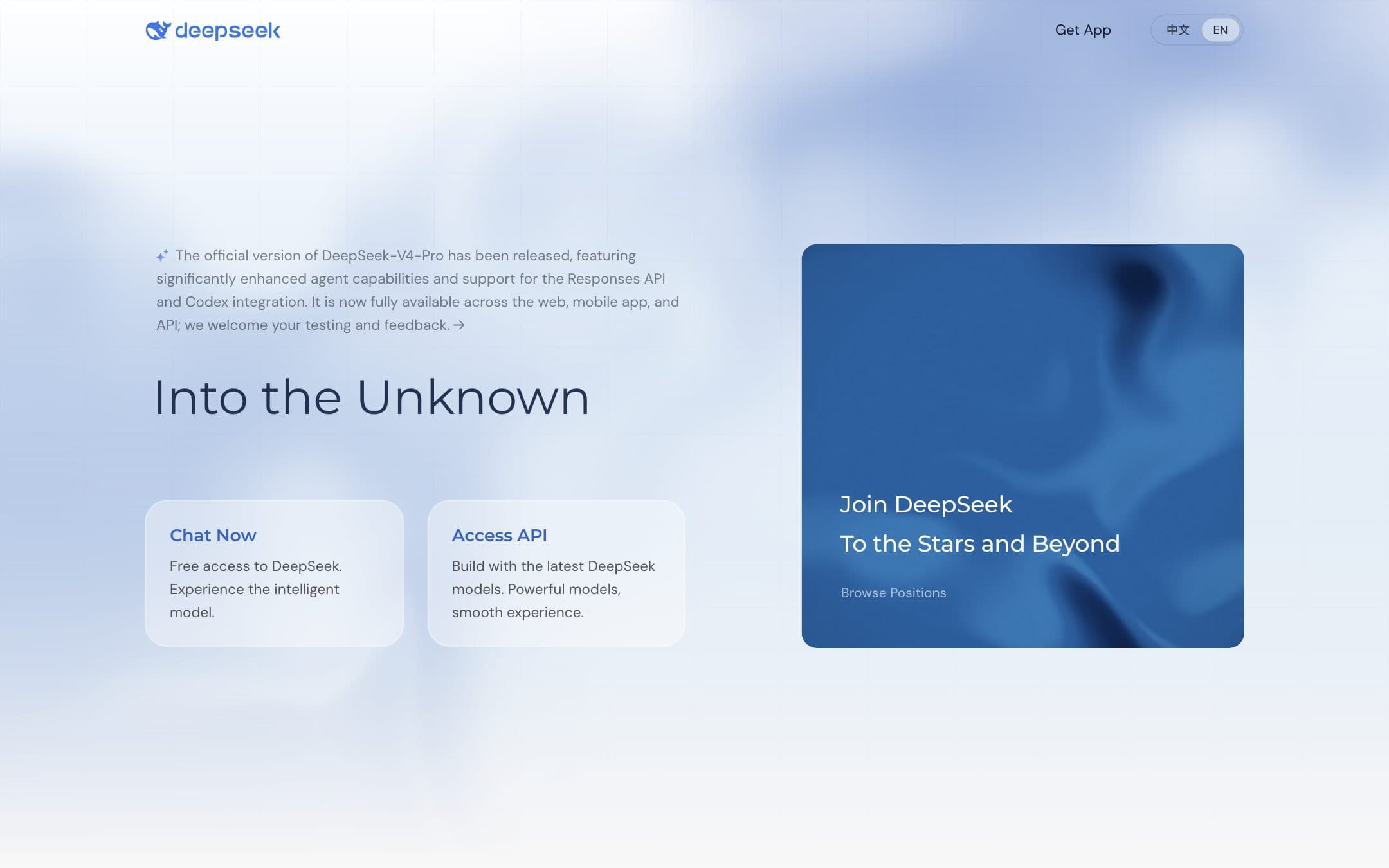
None of the above is a judgement on the output. DeepSeek answers competently, costs nothing, and publishes no cap on the chat product: no daily message limit, no tier to choose, no card to enter. Almost every paid plan in this category asks you to guess at an allowance nobody will state. This one has no allowance to guess at, which at the point of trying something is worth more than it sounds.
It scores 6.2, and the shape of that number tells the story. Capability sits in the middle of our field rather than at the top: there is no deep research tool, no agent surface and no image or video generation. Integrations, support and trust are what pull it down, and the data position above is most of the trust score.
The verdict is C, which on this site means not recommended with the reason stated. It is a judgement about where you can safely put your work, not a claim that the model is bad. Our scale and its weights are published on how we rate.
What to use instead if the appeal was the price
If free was the point, there are better free plans that come with a published position on your data. Mistral Vibe is a French vendor with SOC 2 Type II and ISO 27001, and its free tier includes ten dollars a month of API credits. ChatGPT free covers unlimited everyday text chat, and its training setting is named and switchable. Microsoft Copilot is free in a browser with no account and does not train on prompts at all.
If cheap rather than free was the point, the ladder in our assistant comparison starts at $4.99 a month.
Everything else we score in this category sits under AI tools, and any of it is a safer home for work than this is.
Use DeepSeek for questions you would happily publish: a recipe, a maths problem, an explanation of something public. Keep client work, personal data, unreleased material and anything covered by an employment contract out of it, and understand that the policy gives you no retention period to rely on and no named control to switch off.
Facts on this page were checked against DeepSeek's own privacy policy, API documentation and transparency page, the Italian regulator's published order and the reporting of the Korean suspension, on .


